We have all heard about floods, most disaster movies feature them, but do we really know them? Do we really know what to do when they decide to make a little surprise visit?
It won’t be all that much of a pleasant surprise for us, that’s for sure.
For explaining this scenario a bit better, flooding is a brief excess of water on land that is typically dry, and it is the most common type of natural disaster in the United States. These statistics are a bit alarming since certain kind floods, sometimes called flash floods, can come without any warning, like nature’s surprise attack, and it’s a life-threatening danger that some people don’t know how to react to when they come.
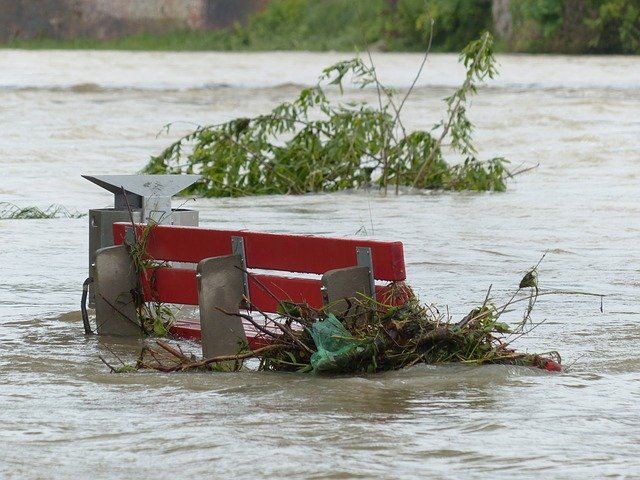
Keep calm, not all floods are flash floods, some of them develop rather slowly, but still, you must always know the caution and security measures for when the water starts rising.
First, let’s see what causes a flood. They can come as a result of:
- Rain.
- Snow.
- Seaside storms.
- Storm flows.
- Excesses of barriers and other water systems.
And some of the consequences they might bring with them are:
- Outages.
- Disturb transportation.
- Injure constructions.
- Generate mudslides.
So now, if a flood warning ever comes up, prepare before the water arrives.
- Be attentive to the Emergency Alert System (EAS) and National Oceanic and Atmospheric Administration (NOAA) Weather Radio who arrange for flood emergency alarms.
- Go visit FEMA’s Flood Map Service Center to ask for info and educate yourself on the types of flood menace in your zone.
- Most residential communities have a flood warning system, sign up for yours.
- Study and exercise evacuation paths, design shelter plans, and get knowledge on flash flood response.
- Obtain or renovate a flood insurance policy.
- Declutter drains and gutters.
- Contemplate purchasing a sump pump with a battery.
- Connect check valves.
- If flash flooding is a threat in your locality, then check out the possible warnings, like heavy rain.
- Collect provisions in case you have to depart immediately, or if services are cut off. If you have a family to think about, keep in mind each of the member’s specific needs, especially in matters of medication, and also do not forget the needs of your pets.
- Transport valuable objects to the upper levels of the house.
- Obtain extra batteries and charging devices for phones and other vital equipment.
- Save important papers in a water-resistant case.
- Make password-protected digital duplicates of these papers, as well.
For surviving during the flood, you must do the following.
- If you’re told to evacuate, then do so instantaneously.
- Go to the safest location that you have previously identified, depending on where you are at the moment and the impact and the warning time of the flood.
- Listen to EAS, NOAA Weather Radio, or local alerting systems for present emergency data and guidelines.
- By no means drive around barricades.
- If your car is stuck in rushing water, remain inside the vehicle. If the water is rising inside the vehicle, search for shelter on the rooftop.
- Stay off bridges above fast-moving water.
- Do not walk, swim, or drive through floodwaters.
- If you’re trapped inside a building, then go to its peak level, but never try to go up into a locked attic. As well, go to the construction’s rooftop only if needed, and once there, sign for assistance.
After the danger has passed, listen to the authorities for information and instructions, and return home only when they say it is safe. Once there, avoid walking in floodwater. It has bacteria and debris.
As some personal advice, when you return to your house, the latter might be infested with animals dragged by the waters, such as snakes. Wear heavy gloves and boots during whatever clean up you may perform. And be aware of the risk of electrocution and don’t touch electrical equipment if it is wet or you’re standing in water.